
If you’re shopping for luxury vinyl plank (LVP) flooring in the Alpharetta or North Atlanta area, you’ve probably already discovered that not all planks are created equal. One of the most important technical differences between LVP products is the locking system that holds the planks together. Understanding the types of LVP locking systems available helps you choose flooring that installs correctly, holds up to your household’s traffic, and won’t drive you crazy with gaps or squeaks years down the road.
At BEC Flooring, we’ve installed every major locking system on the market. Here’s what you actually need to know before you buy.
What Is an LVP Locking System?
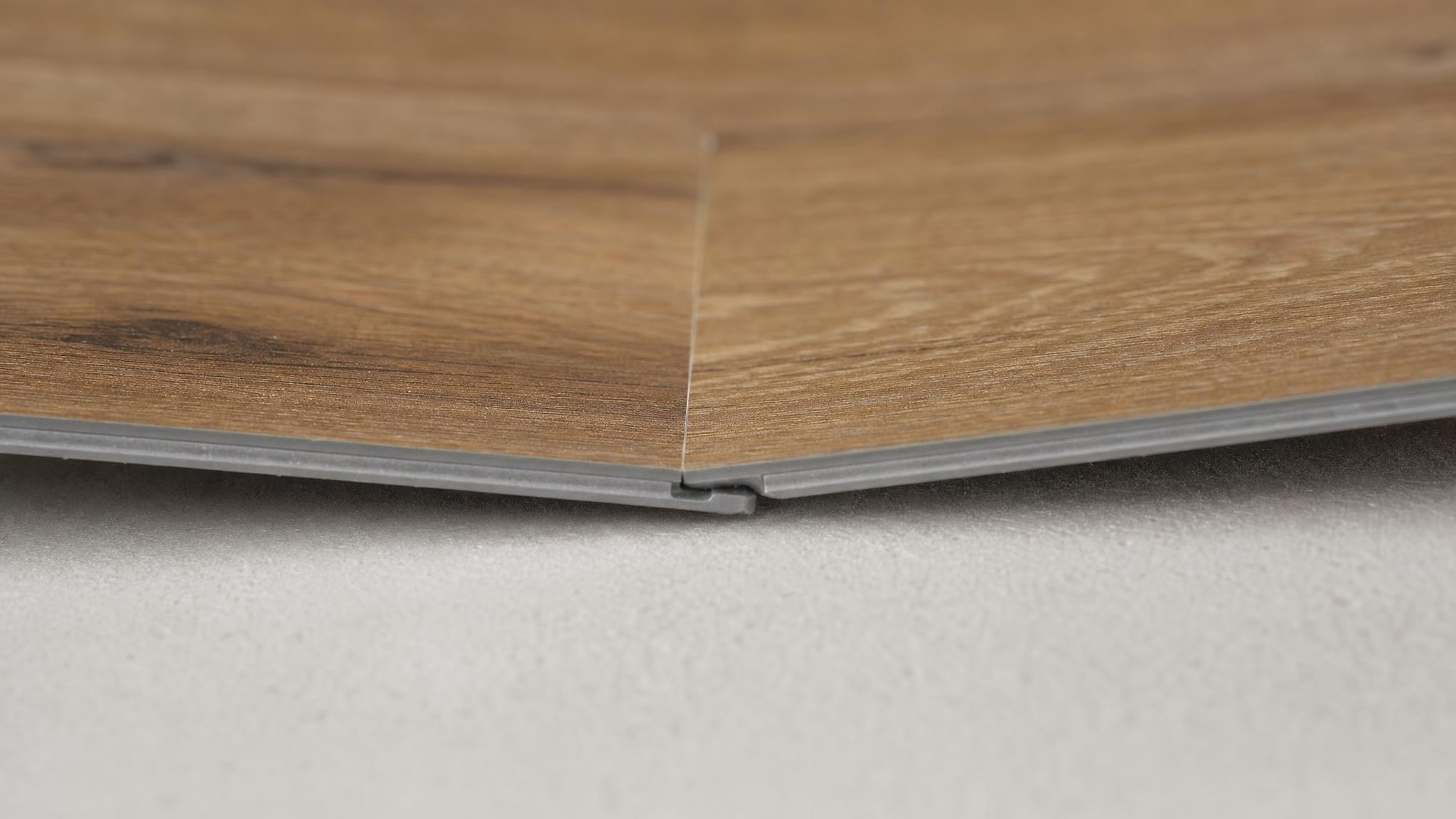
Every floating LVP floor relies on a mechanical connection between planks rather than glue or nails. The locking system is the engineered joint built into the edge of each plank that holds adjacent boards together. A well-designed lock creates a tight, stable floor with minimal movement. A poorly designed one shows gaps, creaks under foot traffic, or comes apart when the subfloor shifts.
The industry refers to these locking technologies by generation numbers: 2G (second generation), 3G (third generation), and 5G (fifth generation). Each generation solved real problems with the one that came before it. The technology was primarily developed by Valinge Innovation and Unilin, whose patents underpin most of the flooring you’ll find in showrooms today.
2G Locking Systems: The Original Click-Lock
Second-generation locking was the technology that made floating LVP practical for homeowners in the first place. A 2G joint uses a tongue-and-groove profile where the tongue of one plank snaps into the groove of the next when pressed down at an angle. The “click” you hear is the lock engaging.
How 2G Installation Works
With a 2G system, you angle each new plank at roughly 15-20 degrees and press forward while lowering it flat. The tongue rides up and over the groove lip, then snaps down. Installation is methodical and forgiving for DIYers willing to take their time.
Where 2G Systems Shine
Second-generation locks remain common in entry-level and mid-range LVP lines. They work well in standard rectangular rooms with straightforward layouts. If your Alpharetta home has long, open living areas and you’re looking for a solid value-priced floor, 2G products can absolutely deliver.
Limitations to Know
The angle-down installation method makes 2G systems impractical in tight spaces where you can’t tilt the plank properly. Rooms with fixed cabinetry, tight closets, or complex angles require workarounds. Disassembly is also harder than with newer generations, which matters if you ever need to replace a damaged plank.
3G Locking Systems: Drop-and-Lock Flexibility
Third-generation locking systems introduced a fold-down or drop-lock mechanism. Instead of angling the plank and pressing forward, you position the plank horizontally against the previous row and press straight down. The joint flexes, engages, and locks flat.
Why 3G Changed the Game for Installers
The practical benefit is significant: you can install 3G planks in spaces where you can’t swing a board at an angle. Think of a kitchen where the cabinets have already been reset onto the new subfloor, or a bathroom with a vanity in the way. Drop-lock technology opened up rooms that 2G systems made genuinely difficult.
Types of LVP Locking Systems in the 3G Category
Within 3G, you’ll find both short-side and long-side implementations. Some products use the fold-down approach on the long edges only, while the short ends still use an angled engagement. Others apply drop-lock on all four sides. When comparing products at our Alpharetta LVP showroom, look for four-sided fold-down locks as a sign of a more complete implementation.
3G Drawbacks
The fold-down mechanism puts stress on the joint during installation if the subfloor isn’t reasonably flat. Minor subfloor irregularities that a 2G plank might flex past can cause a 3G joint to not fully seat. This is where proper subfloor prep becomes critical, something BEC Flooring handles as part of every professional installation we do.
5G Locking Systems: Push-to-Lock Precision
Fifth-generation locking represents the current peak of click-lock technology. The most widely recognized 5G system is Valinge’s 5G Fold, which uses a flexible polymer tongue that compresses during installation and springs back to lock the joint. Other manufacturers have developed comparable push-lock technologies under different names.
What Makes 5G the Best LVP Locking System for Most Homes
A 5G joint can be engaged with a simple side-push rather than angling or pressing down. The flexible tongue allows the plank to be slid horizontally into position, then clicked into place. This is the easiest installation method for tight spaces and complex room shapes, and it produces the tightest joints of the three generations.
The locking strength is also measurably better. Third-party testing of push-lock systems consistently shows higher pull-apart resistance than earlier generations, which translates to floors that hold together under thermal expansion cycles and heavy foot traffic. For households with kids, dogs, or high-traffic common areas in the Alpharetta metro, 5G locks provide real long-term performance advantages.
5G and Subfloor Tolerance
One underappreciated benefit of 5G technology is its forgiving nature on slightly imperfect subfloors. The flexible tongue distributes installation stress differently than a rigid groove-and-lock profile, reducing the risk of joints that won’t fully seat. That said, no locking system compensates for a subfloor that’s significantly out of spec. The National Wood Flooring Association recommends subfloors be flat to within 3/16 inch over 10 feet for any floating floor installation.
5G Availability and Cost
5G and comparable push-lock technologies appear across mid-range and premium LVP lines. You’ll find them in products from Shaw, Mohawk, Armstrong, and other major manufacturers we carry. The premium over 2G or basic 3G products is typically modest, and the installation advantages usually justify it.
Luxury Vinyl Plank Locking Comparison: Which System Is Right for You?
Here’s the practical breakdown for most homeowners:
- Simple rectangular rooms, value-focused budget: 2G systems are reliable and proven. Most installers can work efficiently with angle-down joints in standard layouts.
- Rooms with obstacles or tight spaces: 3G drop-lock solves real problems with cabinets, vanities, and awkward angles that would slow a 2G installation significantly.
- High-traffic areas, complex layouts, or premium performance: 5G push-lock delivers the tightest joints, easiest installation in tight spaces, and best long-term durability. For most North Atlanta homes, this is the system we recommend when the product selection includes it.
The locking system is only one dimension of the decision, of course. Wear layer thickness, core construction, and overall LVP thickness matter just as much for how the floor performs over time.
Frequently Asked Questions About LVP Locking Systems
Can I mix LVP planks with different locking systems in the same room?
No. Planks must use the same locking system to connect properly. Mixing 2G and 5G planks from different manufacturers won’t create a reliable joint, even if the profiles look similar. Always use planks from the same product line in a single installation area.
Which LVP locking system is easiest for DIY installation?
5G push-lock systems are generally the most forgiving for DIY installers. The horizontal engagement motion is more intuitive than angling planks, and the flexible tongue makes seating joints easier in challenging spots. That said, professional installation ensures proper subfloor prep, which matters more than locking system choice for long-term results.
Do LVP locking systems affect how waterproof the floor is?
The locking system itself doesn’t create a waterproof seal. LVP’s waterproof properties come from the core material, not the joint. However, tight joints from 5G systems do reduce the pathways where standing water could potentially reach the subfloor. For wet areas like bathrooms and laundry rooms, a well-seating lock combined with proper transition and perimeter sealing is important.
How do I know which locking system a specific LVP product uses?
Product spec sheets and packaging usually identify the locking system by name (Valinge 5G, Uniclic, etc.) or describe it as “fold-down” or “push-lock.” When you visit our showroom in Alpharetta, we can walk you through each product’s specific locking technology and show you how installation actually works on sample planks before you commit.
Talk to an LVP Expert Before You Buy
Choosing the right types of LVP locking systems for your specific rooms, subfloor conditions, and lifestyle makes a real difference in how your floor performs over the next decade. At BEC Flooring in Alpharetta, our team works with homeowners across the North Atlanta metro every day to match the right product to the right installation method.
Have questions about a specific product or want to see the locking systems in action on sample planks? Give us a call at 678-534-3365 or stop by our showroom at 1000 Union Center Drive, Suite C, Alpharetta, GA 30004. We’re here to help you make a confident decision.