
Rug binding and rug serging are two common techniques used to finish the edges of area rugs. Before you take both as the same thing, read this blog to learn the difference. They differ in more than one aspect, including their process, customizations, styles, and traditions. Understanding rug binding vs serging helps you achieve a perfectly finished rug that suits your style and budget.
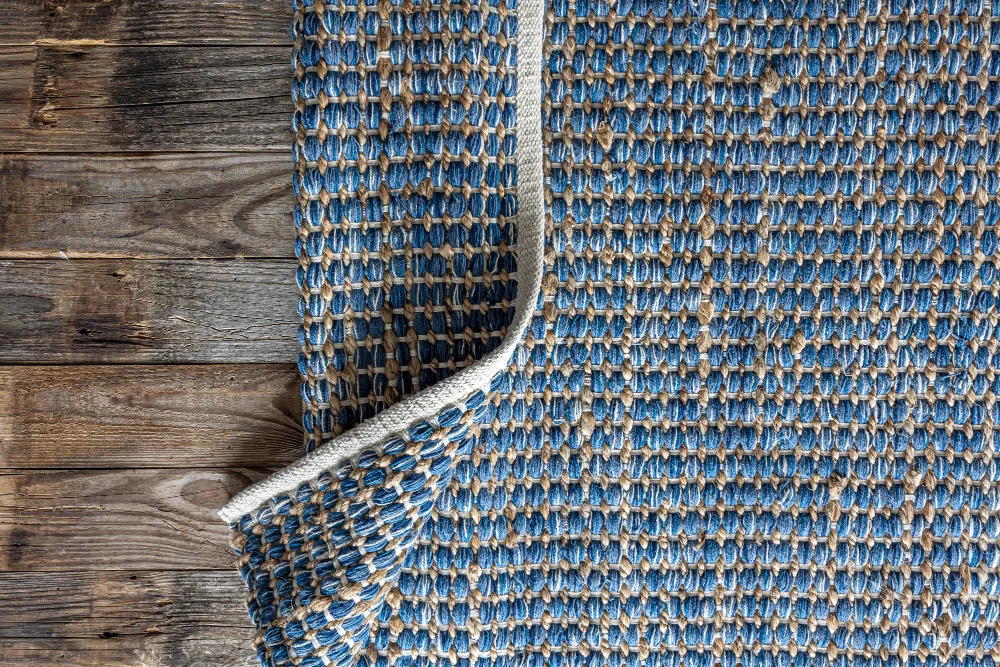
Speaking of rug binding, it involves wrapping the fabric around the edges of the rug, covering up the sides. This fabric can be cotton or wool that matches or complements the colors and patterns on the rug. The rug binding helps you contain loose rug fibers and provides a clean, finished appearance along the perimeter.
On the other hand, rug serging is a technique that overcasts the edges of the rug with wool yarn. The serging yarns can match or contrast the rug’s colors, and they are stitched over the edges with a specialized serging machine. Alternatively, it can be handwoven, which we’ll discuss in a later section. This creates an interlocking wool sew line that prevents fraying.
So, the purpose, uses, types, customization, and whatnot. Next Door Flooring is here to guide you through the ins and outs of both options. Read through the end to find out what your go-to choice is when it comes to rug binding vs serging.
Things To Know About Rug Binding
Rug binding is the process of enclosing the edges of a rug with a fabric or material to create a clean finish. It protects the edges, prevents fraying, and gives a polished finish. With the right binding, your rug will maintain its integrity and look beautiful for years. Before you decide on any binding approach, consider the rug’s location, material, and style.
Type of Rug Material
The type of material the rug is constructed from is important in determining if binding is needed. Densely woven rugs with finished edges may not require binding. However, more delicate antique, silk, or hand-knotted rugs benefit from binding to prevent fraying. Here’s more about the types of rug materials you can choose from.
Wool
Wool is a popular choice due to its softness, durability, and natural stain resistance. These rugs hold up well in high-traffic areas and are a top pick for families.
Cotton
Cotton rugs have a flat, tight weave but are prone to shedding. They work well in low-traffic rooms but require more frequent vacuuming. As a natural fiber, cotton also provides a breathable and cooling effect.
Silk
Silk rugs are luxurious but delicate and high maintenance. The lustrous sheen creates a glamorous statement that stands out in any room. Typically, these rugs are used as decorative pieces rather than functional floor coverings.
Synthetic Material
Synthetic rugs made from nylon, polyester, acrylic, and olefin are budget-friendly. However, they lack the richness of natural fibers. Generally, synthetics work well in basements, playrooms, and pet areas.
Jute and Sisal
Natural fibers like jute and sisal add casual texture but are not as soft underfoot. These durable rugs suit casual spaces like covered outdoor areas. Nevertheless, they remain a popular eco-friendly choice.
Bamboo
For an eco-friendly rug, bamboo offers plush softness and durability. Bamboo viscose rugs mimic silk’s sheen at a lower price point, making them an affordable luxury option.
Viscose
Viscose made from plant cellulose provides a silk-like luster. Although it’s less expensive than silk, it requires gentler care to maintain its appearance over time.
Leather
For a luxury, vintage look, leather hides add unique character. These rugs are very durable but also expensive, making them a statement piece for bold interior designs.
Functionality
For rugs placed in high-traffic areas, we highly recommend rug binding. These areas include hallways or family rooms. The wrapped edges protect the rug from wear along the sides and prevent unraveling from foot traffic. Moreover, binding adds overall durability to your area rug.
Aesthetic Consideration
In addition to function, binding creates a tailored and finished look. For a more stylized and modern area rug, crisp binding can enhance the decor. Alternatively, serging or no binding may suit the free-flowing aesthetic better for organic or braided rugs.
DIY vs. Professional Binding
You can bind a rug yourself or hire a rug professional. DIY binding is more affordable but requires knowledge of binding techniques. It allows for personal customization in color or pattern. However, the DIY methods have their own limitations, as it is a time-intensive process and may not achieve a neat finish.
On the other hand, you can also go for a professional option. They have specialized tools and experience for quality workmanship and time-saving. Professional rug binding can perfectly match or complement your rugs, though it offers less control over customization.
Material Used
Cotton, wool, and other fabrics are common binding materials. Choose a color and pattern that complements your rug design. The material should be durable enough for high-wear areas.
Customization
Get creative with binding patterns and colors. Contrasting colors or unique patterns can make binding part of your rug’s decorative impact. Alternatively, opt for a traditional binding that seamlessly matches your rug’s main color.
Types Of Rug Serging You Can Expect
Rug serging is the process of sewing an interlocking line of wool along the edges of a rug to prevent fraying. There are a few different techniques and applications for this method. As a result, it takes skill whether done by hand or machine. The serging seam prevents fraying damage and can enhance the look and longevity of an area rug when done properly.
Here are some types of rug serging:
Hand Serging
Hand serging is done using a needle and wool yarn to sew the serging directly onto the rug’s edges. This traditional method allows for a high degree of control and customization. As a result, it produces a more organic or visible stitching line compared to machine serging.
Machine Serging
Most rug serging today is done by specialized serging machines. These powerful industrial machines quickly sew a secure serged edge using coordinated stitches. Consequently, machine serging is faster and yields more consistent and tighter seams than hand work.
Cotton Serging
Though wool yarn is the most common, cotton serging thread can also be used. Cotton is lighter in weight and works well for binding and finishing lighter textile rugs. Furthermore, the cotton blends in smoothly while securing edges against fraying.
Area Rug Serging
Serging is commonly used on hand-knotted area rugs to prevent side unraveling. The serged edges help you maintain the integrity of your rug. Along with that, they complement the rug’s pattern and material, resulting in an edge that can be quite subtle.
Rug Binding vs Serging: Key Differences
When deciding between rug binding vs serging, it helps to look at how each technique differs in process, materials, and appearance. Both are reliable edge finishing methods, but the right choice depends on your rug’s construction and your goals for the finished look.
Process
Binding involves folding fabric strips around the edges and stitching them in place. By contrast, serging means sewing a sturdy line of wool yarn along the perimeter.
Appearance
The folded binding provides a tailored and finished look. In contrast, serging blends in more discreetly and maintains a free-flowing edge.
Materials
Binding typically uses cotton, wool, or other fabrics. By comparison, serging primarily utilizes wool yarn or sometimes cotton thread, making it a simpler material choice.
Durability
Both techniques add durability and prevent fraying. Quality binding is very resilient, while serging also withstands normal wear. For high-traffic spaces, either approach protects the carpet or rug edges effectively.
Style and Tradition
Binding has a crafted and decorative appearance that suits formal rooms. Meanwhile, serging is more common for tribal or antique oriental rugs, where a natural edge finish is preferred.
The Bottom Line
The choice between rug binding vs serging depends on the rug itself, as well as your priorities for form or function. For a formal or finished look, binding excels. However, if you want a subtle or flowing edge, serging has its appeal. According to the Carpet and Rug Institute, proper edge finishing is essential for extending the life of any area rug. Therefore, we suggest you consult a rug expert to determine if your rug is better suited to binding or serging, and make a choice based on its style, construction, and goals.