
Vinyl plank flooring installation in Alpharetta, GA, is an excellent choice for a long-lasting, cost-effective, and stylish upgrade. Before you start, there are a few crucial things to know that will ensure a durable and sound result. Here are four essential considerations when installing vinyl plank flooring in your home or business, from choosing the right type to properly preparing the subfloor.
Understand the different types of vinyl flooring available
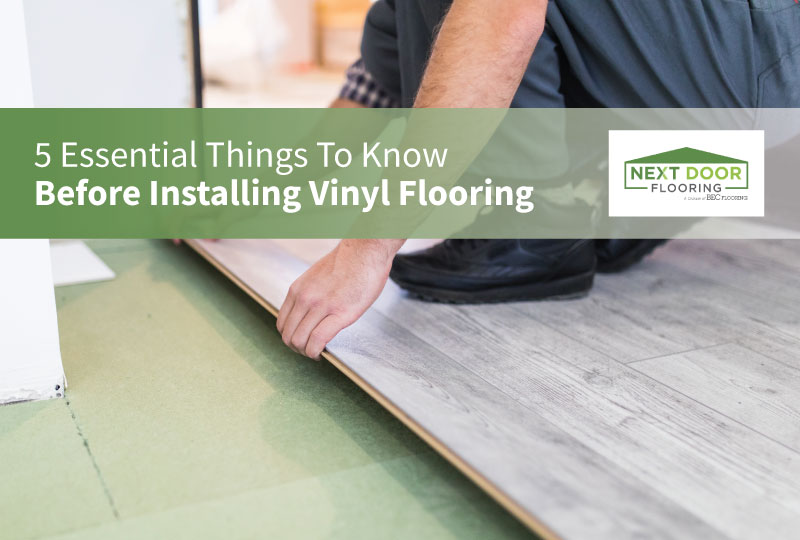
Homeowners often choose vinyl flooring for its durability, affordability, and versatility. Knowing the different types makes the decision much easier.
Luxury vinyl flooring, or LVT, replicates the look of natural materials such as wood, stone, and tile. LVT comes in a wide range of colors and patterns. It is durable, easy to clean, and available as planks, tiles, or sheets. Homeowners who want the appearance of hardwood or tile without the cost or upkeep find LVT a popular choice.
Sheet vinyl comes in large rolls, usually 6 to 12 feet wide. Its water resistance and simple installation make it a common choice for kitchens and bathrooms. It is cost-effective and easy to maintain, with many color and pattern options including wood and stone looks.
Vinyl composition tile, or VCT, is often used in commercial settings but works in residential spaces too. VCT is durable, cost-effective, and available in various colors. Small square tiles can be arranged in many ways, allowing for real design creativity.
Rigid core vinyl flooring, also called WPC, offers increased stability and longevity. It is waterproof and comes in many colors and patterns. WPC suits high-traffic areas like lobbies and hallways well, and installation is straightforward.
Choose a high-quality product with a thick wear layer for vinyl plank flooring installation
Choosing high-quality vinyl flooring with a thick wear layer is the key to lasting durability. The wear layer is the top surface that protects against stains, scratches, and everyday wear and tear.
In high-traffic areas like entryways, hallways, and kitchens, a thick wear layer resists scratches and stains effectively. It also resists fading in rooms with large windows or glass doors. That is a real benefit in sunny Georgia homes.
A thicker wear layer improves sound insulation too, reducing noise levels inside your home. It also feels more comfortable underfoot, which reduces foot stress and makes walking more pleasant.
Not all vinyl flooring is created equal. Some products have a thin wear layer that damages easily and needs replacement sooner. Others use low-quality materials that can cause the flooring to warp or buckle over time. When comparing products, check the wear layer thickness and look for low-emission options. The EPA’s indoor air quality guidance on volatile organic compounds explains why material quality matters for your home’s air as well as your floor’s longevity.
Consider the style and color of vinyl flooring that will best suit your space
Style and color have a big impact on how a room looks and feels. These are two of the most important factors to get right before your vinyl plank flooring installation begins.
Think about your room’s existing look first. Vinyl flooring comes in many designs, from classic wood-look planks to more modern abstract patterns. If your style leans traditional, a wood-look vinyl plank works well. These planks come in finishes ranging from light and natural to dark and rustic. For a room with a more modern feel, consider a geometric or abstract pattern that adds a distinctive visual feature.
Color choice shapes the mood of a space. Lighter colors make a room feel brighter and more open, while darker colors create a cozy, intimate feel. Consider the size of the room and the amount of natural light alongside the overall style. A light-colored floor can make a small room feel larger and airier. A darker floor can add depth and warmth to a bigger, well-lit room.
Use an underlayment before your vinyl plank flooring installation over concrete
An underlayment is a thin layer of material placed over the concrete to create a stable, flat surface for the vinyl to adhere to. Using one is important for any vinyl plank flooring installation over concrete subfloors. Uneven or poor concrete surfaces can hurt both the performance and durability of your floor.
Underlayment also reduces moisture transmission and sound transfer. Concrete is a porous material that absorbs and releases moisture, which can cause warping, buckling, mold, and mildew in vinyl flooring. An underlayment creates a barrier between the concrete and the vinyl, reducing moisture and preventing these problems.
Underlayment also improves overall comfort. Concrete is hard and often cold underfoot. A layer of insulation from an underlayment makes the space warmer and more comfortable to walk on.
Choose an underlayment that is compatible with your specific vinyl type. Some underlayments are designed for luxury vinyl plank or tile specifically. Make sure the underlayment you select suits the level of traffic the area will receive.
If you are searching for premium flooring options in Alpharetta, BEC Flooring is your go-to destination. Our flooring store in Alpharetta offers an extensive range of high-quality flooring solutions to enhance the look and feel of your residential or commercial property. Contact us today to book a consultation and take the first step toward elevating your space with top-notch flooring from BEC Flooring.