Luxury vinyl plank (LVP) is a popular type of flooring known for its durability, water resistance, and aesthetic appeal. It gives a more realistic wood and stone look. When considering LVP flooring, you must consider its locking system. A vinyl flooring locking system ensures the overall performance and durability of vinyl planks. There are various types of vinyl flooring locking systems. For instance, 2-G locking systems, 5-G locking systems, click-lock, glue-down systems, and more. Next Door Flooringis here to guide you through the vinyl flooring locking systems.
In this blog, we will discuss the best locking system for vinyl plank flooring. We’ll also touch upon some benefits of a vinyl flooring locking system. So, without any further ado, let’s get started.
Some Best Locking System For Vinyl Plank Flooring
There are several types of flooring locking systems available for vinyl planks. You can expect several options, such as click-lock, glue-down, 4-sided, 4-G and 5-G locking systems. These systems ensure your ultimate convenience to install or re-lay. Let’s discuss each system in detail.
Click-Lock System
A click-lock system is one of the most popular options. They are easy-to-install locking systems consisting of boards. They have interlocking tabs on short ends that simply click together. Many modern click-lock systems have pre-attached underlayment for cushioning. Besides that, click-locking flooring can be floated over several subfloors. You can expect the following benefits from click-lock systems:
Pros
Fast and easy floating installation.
Allows for subfloor movement and unevenness.
Boards can be easily replaced if they get damaged.
Many click-locking systems have pre-attached underlayment.
Glue-Down System
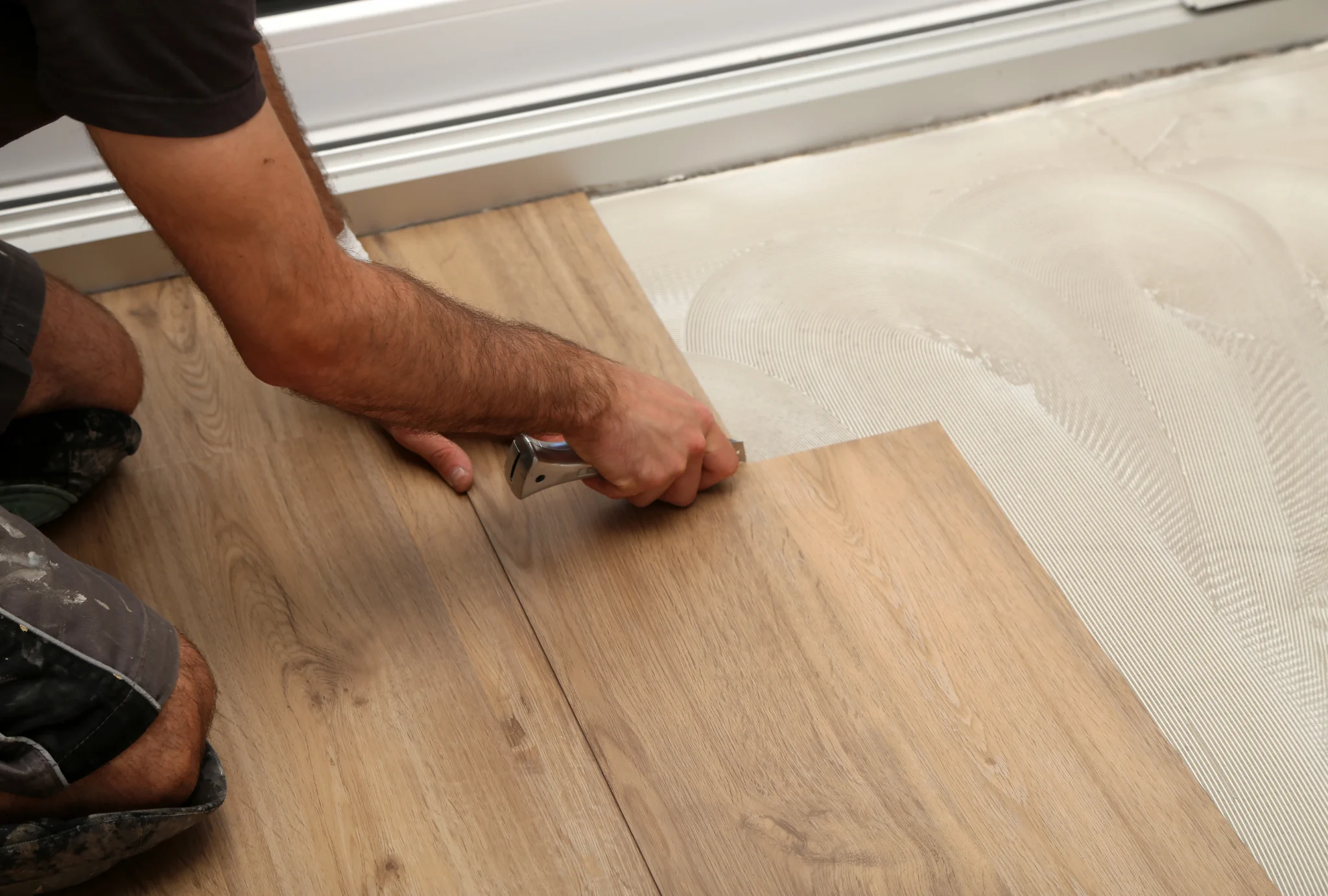
In this method, planks are adhered directly to subfloors. They use specialized adhesives, creating strong bonds and minimizing movement. The glue-down systems are ideal for areas with high foot traffic. Glue-down LVP cannot be taken apart. Expect the following pros from a glue-down system:
Pros
Can adhere to uneven subfloors
Minimal plank movement or noise
The best option for concrete subfloors
Creates a permanent and tightly bonded floor
Floating System
Floating systems involve the installation of planks that interlock. In this method, vinyl planks don’t attach to subfloors. Instead, they float over them. This allows minor subfloor imperfections or movements without damaging the floor. Floating systems usually have click-lock or snap-together systems. Here are some benefits you can expect:
Pros
Ideal for wood subfloors
Planks can be replaced if needed
Easy to install, no adhesive required
Allows for subfloor expansion and contraction
2G Locking System
This system is also called an angle-tap system. It has small angled tabs that lock together firmly. The angled connection keeps the floor tight and stable. These systems provide smooth and even floor installation. Here’s what pros you can expect:
Pros
No glue or nails required
Sturdy and stable floor performance
Provides a smooth, even floor installation
Angled connection keeps planks tightly together
4-Sided Locking System
For an extra level of stability, some luxury vinyl plank flooringfeatures four-sided interlocking tabs. The tabs run along all four sides of each plank. This creates a tight, uniform connection on all sides. It also adds durability and water resistance. Here are some of the benefits of a 4-sided locking system to expect:
Pros
Advanced moisture resistance
Ideal for bathrooms and basements
Interlocking tabs on all four sides increase stability
The tight fit across the entire floor resists planks separating
5G Locking System
5G locking systems have an advanced double-tooth design. It comes with locking tabs at alternating heights along the planks. This creates excellent vertical locking and horizontal stability for a premium floor installation. Here are some pros of 5G flooring locking systems.
Pros
The best option for large spaces like great rooms
Double-tooth locking creates superior stability
Reduces gaps between planks for a seamless look
Premium locking performance for whole-home use
Benefits of Vinyl Plank Flooring Locking Systems
If you are considering vinyl flooring for your home, make sure to install a vinyl flooring locking system as well. Now that we understand what types of flooring locking systems you can consider as per your choice. It’s time to get a detailed overview of some benefits of vinyl flooring locking systems.
Convenience
The vinyl flooring locking system is handy to use, allowing planks to stick together. This means you don’t need to clean out your room or do heavy lifting before starting. Instead, you’ll just click the lightweight planks together over the flat ones.
Moisture-Resistant
The vinyl flooring locking systems create a tight seal between planks. This way, the moisture doesn’t seep in. This is the feature that makes luxury vinyl waterproof, thus making it ideal for kitchens, basements, bathrooms, and laundry rooms. You will not have to worry about water damage or plank buckling.
Easy to Install and Re-Lay
If you need to replace a damaged plank or want to re-lay – it’s easier with a vinyl flooring locking system. Using one, you can easily access the subfloor for repair or take them apart to reassemble. Which means you don’t need specialized tools, inventory, or techniques.
Less Restrictive
Vinyl flooring locking systems are less restrictive. They allow flexibility in terms of installations. Unlike traditional flooring optionsneeding tools or adhesives, this one comes with utter flexibility of adjustments, movements, or modifications. This means they fit seamlessly in any space.
Time and Cost Efficient
The efficiency of the vinyl flooring locking system translates into your time and cost savings. When the installation time is reduced, the labor costs also reduce and minimize the installation efforts. This is why it doesn’t need additional tools or materials. This makes it an ideal and economical choice for both residential and commercial buildings.
Resilience and Comfort
The interlocking design of vinyl flooring locking systems enhances your flooring’s stability and overall resilience. They provide comfort underfoot feeling, absorbing impact and reducing noise. This is why they are excellent for high-traffic areas.
Aesthetic Appeal and Durability
Beyond its practical benefits, vinyl flooring with a locking system comes in a variety of designs and textures. This way, you can achieve your aesthetic desires for your space. And improve its overall appeal without compromising on durability.
Final Thoughts
Flooring locking systems are the cornerstone of durable and efficient vinyl plank flooring installation. Besides the ease of installation, it increases durability, moisture resistance, and aesthetic appeal. This blog discussed some of the best locking systems for vinyl plank flooring, their features, and their benefits. We also talked about some benefits of vinyl flooring locking systems. Scroll through our other blogs to learn about every type of flooring.
What are the most popular types of LVP locking systems used today?
The most popular types of LVP locking systems used today are Click-Lock, Glue-Down, and Floating. These systems offer various benefits such as easy installation, durability, and suitability for different flooring conditions.
What are the main types of LVP locking systems available in the market?
The main types of LVP locking systems available in the market are Click-Lock, Glue-Down, and Interlocking systems, each offering different benefits in terms of installation ease, durability, and suitability for various conditions.
What is the difference between click-lock and tap-lock systems?
The difference between click-lock and tap-lock systems is that click-lock utilizes a snap-together design, while tap-lock requires tapping the planks into place using a tapping block.
What is the most common type of laminate flooring locking system?
The most common type of laminate flooring locking system is the click-lock system, which features a tongue-and-groove design that allows planks to be snapped together quickly and easily without the need for adhesive.
What are the main types of laminate flooring locking systems?
The main types of laminate flooring locking systems are click-lock, tongue-and-groove, and snap-lock. These systems provide secure connections between laminate planks for easy installation and a durable flooring surface.
How do click-lock laminate flooring systems work?
Click-lock laminate flooring systems feature tongue-and-groove joints that interlock without the need for adhesives, allowing for easy and quick installation.
What is the benefit of LVP click-lock flooring systems?
The main benefit of LVP click-lock flooring systems is their ease of installation. The interlocking design allows for a fast and simple DIY installation process, making it a convenient option for homeowners.
What are advantages of LVP locking systems?
The advantages of LVP locking systems include easy installation, secure connections, and versatility for different floor conditions, making them a popular choice for luxury vinyl plank flooring.
How durable are click-lock vinyl flooring systems?
Click-lock vinyl flooring systems are known for their durability, as they are designed to withstand heavy foot traffic and resist wear and tear over time. The interlocking mechanism creates a strong, stable floor that can last for many years with proper maintenance.
What are potential issues with laminate locking systems?
Potential issues with laminate locking systems may include gaps or separations between planks, reduced stability over time, and difficulty in disassembling and reinstalling the flooring.
Are there eco-friendly LVP locking options available?
Yes, there are eco-friendly locking options available for luxury vinyl plank (LVP) flooring, such as click-lock systems that do not require adhesives or chemicals.
What factors influence the choice of vinyl locking systems?
The choice of vinyl locking systems is influenced by factors such as the intended use, subfloor conditions, installation preferences, and desired performance characteristics like ease of installation, durability, and water resistance.
How to maintain click-lock vinyl flooring systems?
Maintaining click-lock vinyl flooring systems involves regular cleaning using a mild, pH-neutral cleaner, avoiding excessive water, and protecting the floors from heavy furniture or sharp objects to ensure their durability and longevity.
Can I use LVP in humid areas?
Yes, luxury vinyl plank (LVP) flooring can be used in humid areas. LVP is resistant to moisture and can withstand high humidity levels, making it a suitable choice for bathrooms, basements, and other damp spaces.
What installation tools are needed for LVP locking systems?
The installation tools needed for LVP locking systems typically include a utility knife, tapping block, pull bar, and rubber mallet to ensure proper placement and locking of the planks.
How do I troubleshoot LVP locking issues?
Troubleshooting LVP locking issues involves checking the subfloor, ensuring proper alignment, and replacing damaged planks. Properly preparing the surface and following the manufacturer's installation instructions can help resolve locking problems.
What styles are available in click-lock vinyl flooring?
Click-lock vinyl flooring is available in a variety of styles, including wood-look planks, tile-look planks, and unique patterns. These styles offer versatile design options to suit different preferences and decor styles.
Can LVP locking systems be installed over existing floors?
Yes, LVP locking systems can typically be installed over existing floors, provided the underlying surface is clean, level, and structurally sound.
Is there a warranty for vinyl locking systems?
Vinyl locking systems often come with warranties that cover the locking mechanism against defects in materials and workmanship for a specified period, typically ranging from 10 to 25 years.
What is the lifespan of laminate locking systems?
The lifespan of laminate locking systems can typically range from 10 to 25 years, depending on factors such as daily wear and tear, proper installation, and maintenance.
How do temperature changes affect LVP installations?
Temperature changes can affect LVP installations by causing expansion and contraction of the flooring material, requiring proper acclimation and installation techniques to prevent issues like gapping or buckling.
Which LVP locking system is easiest to install?
The click-lock locking system is generally considered the easiest LVP locking system to install, as it allows planks to snap together without the need for adhesives or special tools.
Are there any weight limits for LVP flooring?
Luxury vinyl plank (LVP) flooring typically has a weight capacity of up to 500 pounds per square inch, making it suitable for most residential and light commercial applications.
How do padding options affect vinyl flooring?
The choice of padding options can significantly impact the performance and longevity of vinyl flooring. Proper padding provides cushioning, noise reduction, and improved comfort, while unsuitable padding may lead to premature wear and tear of the vinyl surface.
What finishes are available for laminate locking systems?
Laminate locking systems typically offer a variety of finish options, including wood grain, stone, and tile patterns, to complement various interior design styles.
Can pets damage click-lock vinyl flooring?
Click-lock vinyl flooring is generally resistant to pet damage, as the locking system creates a secure, waterproof surface that can withstand the scratches and impact from pets.
How is moisture resistance tested in LVP flooring?
Moisture resistance in LVP flooring is typically tested by submerging samples in water and monitoring for any signs of swelling, warping, or degradation over an extended period.
What are the best cleaning products for vinyl floors?
The best cleaning products for vinyl floors are mild, pH-neutral cleaners specifically designed for vinyl surfaces. These cleaners effectively remove dirt and grime without damaging the vinyl's finish.
How can I prevent scratching on LVP flooring?
Preventing scratches on LVP flooring can be achieved by using felt pads under furniture, regularly cleaning the floor, and avoiding dragging heavy objects across the surface.
What colors are most popular for LVP flooring?
The most popular colors for LVP flooring are neutral tones like gray, beige, and oak, as they blend well with various interior design styles and complement a wide range of decor.
What are the most popular types of LVP locking systems used today?
The most popular types of LVP locking systems used today are Click-Lock, Glue-Down, and Floating. These systems offer various benefits such as easy installation, durability, and suitability for different flooring conditions.
What are the main types of LVP locking systems available in the market?
The main types of LVP locking systems available in the market are Click-Lock, Glue-Down, and Interlocking systems, each offering different benefits in terms of installation ease, durability, and suitability for various conditions.
What is the difference between click-lock and tap-lock systems?
The difference between click-lock and tap-lock systems is that click-lock utilizes a snap-together design, while tap-lock requires tapping the planks into place using a tapping block.
What is the most common type of laminate flooring locking system?
The most common type of laminate flooring locking system is the click-lock system, which features a tongue-and-groove design that allows planks to be snapped together quickly and easily without the need for adhesive.
What are the main types of laminate flooring locking systems?
The main types of laminate flooring locking systems are click-lock, tongue-and-groove, and snap-lock. These systems provide secure connections between laminate planks for easy installation and a durable flooring surface.
How do click-lock laminate flooring systems work?
Click-lock laminate flooring systems feature tongue-and-groove joints that interlock without the need for adhesives, allowing for easy and quick installation.
What is the benefit of LVP click-lock flooring systems?
The main benefit of LVP click-lock flooring systems is their ease of installation. The interlocking design allows for a fast and simple DIY installation process, making it a convenient option for homeowners.
What are advantages of LVP locking systems?
The advantages of LVP locking systems include easy installation, secure connections, and versatility for different floor conditions, making them a popular choice for luxury vinyl plank flooring.
How durable are click-lock vinyl flooring systems?
Click-lock vinyl flooring systems are known for their durability, as they are designed to withstand heavy foot traffic and resist wear and tear over time. The interlocking mechanism creates a strong, stable floor that can last for many years with proper maintenance.
What are potential issues with laminate locking systems?
Potential issues with laminate locking systems may include gaps or separations between planks, reduced stability over time, and difficulty in disassembling and reinstalling the flooring.
Are there eco-friendly LVP locking options available?
Yes, there are eco-friendly locking options available for luxury vinyl plank (LVP) flooring, such as click-lock systems that do not require adhesives or chemicals.
What factors influence the choice of vinyl locking systems?
The choice of vinyl locking systems is influenced by factors such as the intended use, subfloor conditions, installation preferences, and desired performance characteristics like ease of installation, durability, and water resistance.
How to maintain click-lock vinyl flooring systems?
Maintaining click-lock vinyl flooring systems involves regular cleaning using a mild, pH-neutral cleaner, avoiding excessive water, and protecting the floors from heavy furniture or sharp objects to ensure their durability and longevity.
Can I use LVP in humid areas?
Yes, luxury vinyl plank (LVP) flooring can be used in humid areas. LVP is resistant to moisture and can withstand high humidity levels, making it a suitable choice for bathrooms, basements, and other damp spaces.
What installation tools are needed for LVP locking systems?
The installation tools needed for LVP locking systems typically include a utility knife, tapping block, pull bar, and rubber mallet to ensure proper placement and locking of the planks.
How do I troubleshoot LVP locking issues?
Troubleshooting LVP locking issues involves checking the subfloor, ensuring proper alignment, and replacing damaged planks. Properly preparing the surface and following the manufacturer's installation instructions can help resolve locking problems.
What styles are available in click-lock vinyl flooring?
Click-lock vinyl flooring is available in a variety of styles, including wood-look planks, tile-look planks, and unique patterns. These styles offer versatile design options to suit different preferences and decor styles.
Can LVP locking systems be installed over existing floors?
Yes, LVP locking systems can typically be installed over existing floors, provided the underlying surface is clean, level, and structurally sound.
Is there a warranty for vinyl locking systems?
Vinyl locking systems often come with warranties that cover the locking mechanism against defects in materials and workmanship for a specified period, typically ranging from 10 to 25 years.
What is the lifespan of laminate locking systems?
The lifespan of laminate locking systems can typically range from 10 to 25 years, depending on factors such as daily wear and tear, proper installation, and maintenance.
How do temperature changes affect LVP installations?
Temperature changes can affect LVP installations by causing expansion and contraction of the flooring material, requiring proper acclimation and installation techniques to prevent issues like gapping or buckling.
Which LVP locking system is easiest to install?
The click-lock locking system is generally considered the easiest LVP locking system to install, as it allows planks to snap together without the need for adhesives or special tools.
Are there any weight limits for LVP flooring?
Luxury vinyl plank (LVP) flooring typically has a weight capacity of up to 500 pounds per square inch, making it suitable for most residential and light commercial applications.
How do padding options affect vinyl flooring?
The choice of padding options can significantly impact the performance and longevity of vinyl flooring. Proper padding provides cushioning, noise reduction, and improved comfort, while unsuitable padding may lead to premature wear and tear of the vinyl surface.
What finishes are available for laminate locking systems?
Laminate locking systems typically offer a variety of finish options, including wood grain, stone, and tile patterns, to complement various interior design styles.
Can pets damage click-lock vinyl flooring?
Click-lock vinyl flooring is generally resistant to pet damage, as the locking system creates a secure, waterproof surface that can withstand the scratches and impact from pets.
How is moisture resistance tested in LVP flooring?
Moisture resistance in LVP flooring is typically tested by submerging samples in water and monitoring for any signs of swelling, warping, or degradation over an extended period.
What are the best cleaning products for vinyl floors?
The best cleaning products for vinyl floors are mild, pH-neutral cleaners specifically designed for vinyl surfaces. These cleaners effectively remove dirt and grime without damaging the vinyl's finish.
How can I prevent scratching on LVP flooring?
Preventing scratches on LVP flooring can be achieved by using felt pads under furniture, regularly cleaning the floor, and avoiding dragging heavy objects across the surface.
What colors are most popular for LVP flooring?
The most popular colors for LVP flooring are neutral tones like gray, beige, and oak, as they blend well with various interior design styles and complement a wide range of decor.